§ Journal · May 28, 2026
The Rise of DIY Equipment Maintenance
Look at why more customers are replacing common parts themselves across outdoor power and cordless tool categories. Position simple, well-matched replacement parts as the foundation of efficient at-home maintenance.
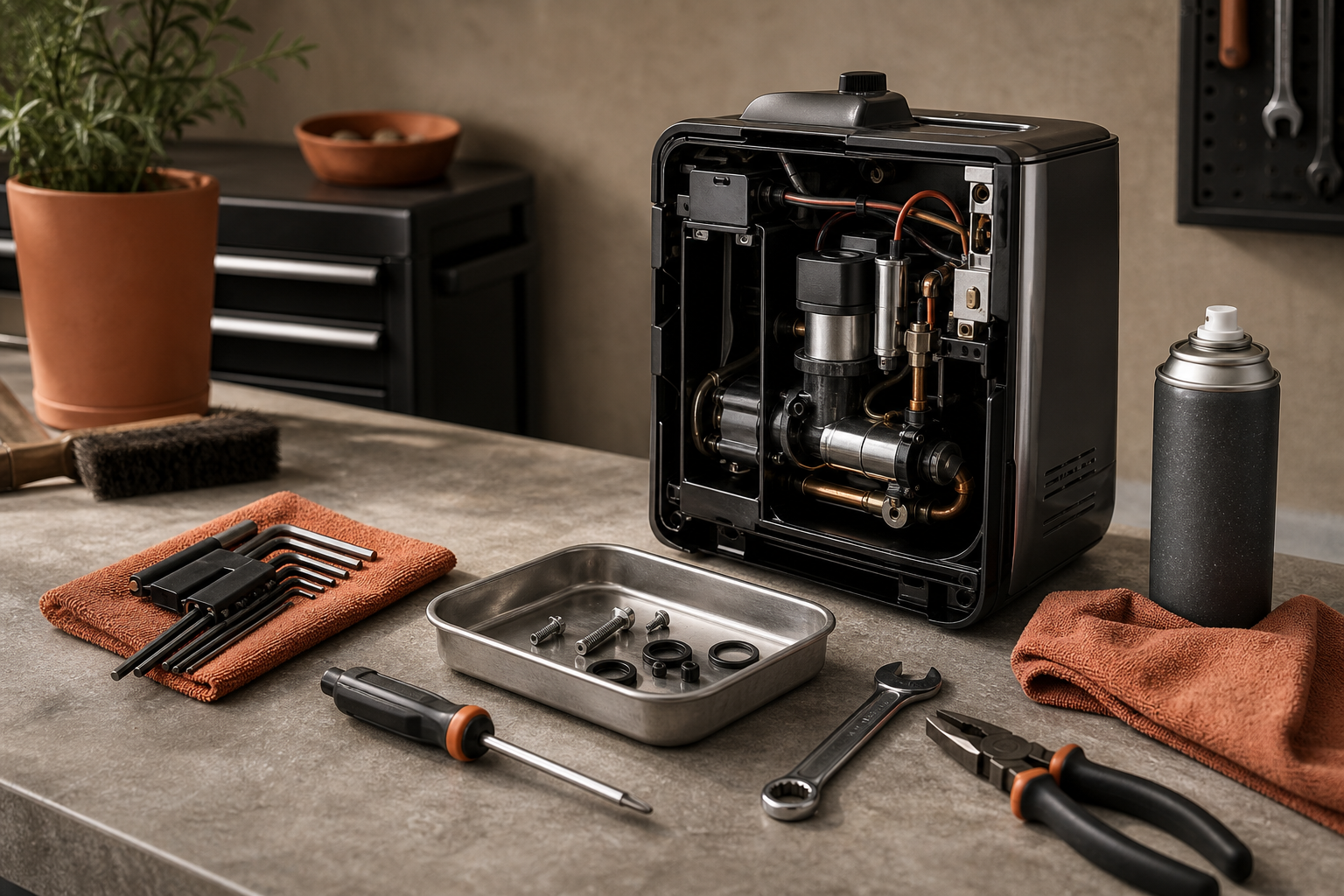
More equipment owners are doing their own maintenance than ever before, and it is not just about saving money. Homeowners, DIY repairers, and working crews have learned that replacing common wear parts at home is often faster, more convenient, and more predictable than waiting on a shop schedule. Across outdoor power equipment and cordless tool categories, the pattern is the same: when routine service items are easy to identify and match correctly, people keep their gear running longer with less downtime. The key is not complicated repair work. It is using the right replacement parts from the start.
Why DIY maintenance keeps growing
A big reason for the rise in do-it-yourself maintenance is how much modern users depend on their equipment. A mower that will not start on Saturday morning, a trimmer with a worn head, or a cordless tool with a failing battery can stop work immediately. For many owners, replacing a spark plug, air filter, trimmer line, chain, blade, battery, or charger is quicker than hauling the unit in for service.
There is also a growing comfort level with basic upkeep. Many common service tasks are straightforward if the replacement part is correct. People are more willing to handle routine maintenance when they know they are dealing with normal wear items instead of internal engine or motor repairs. That distinction matters. Replacing consumables and external components is usually practical for the average user. It restores performance without requiring advanced diagnostics.
Outdoor power equipment especially benefits from this approach. Lawn mowers, chainsaws, leaf blowers, pressure washers, and trimmers all rely on parts that wear gradually. The same goes for cordless jobsite tools. Batteries lose runtime, chargers fail, and cutting or fastening accessories wear out. In both categories, preventive replacement is often the difference between smooth operation and unexpected downtime.
The parts most customers replace themselves
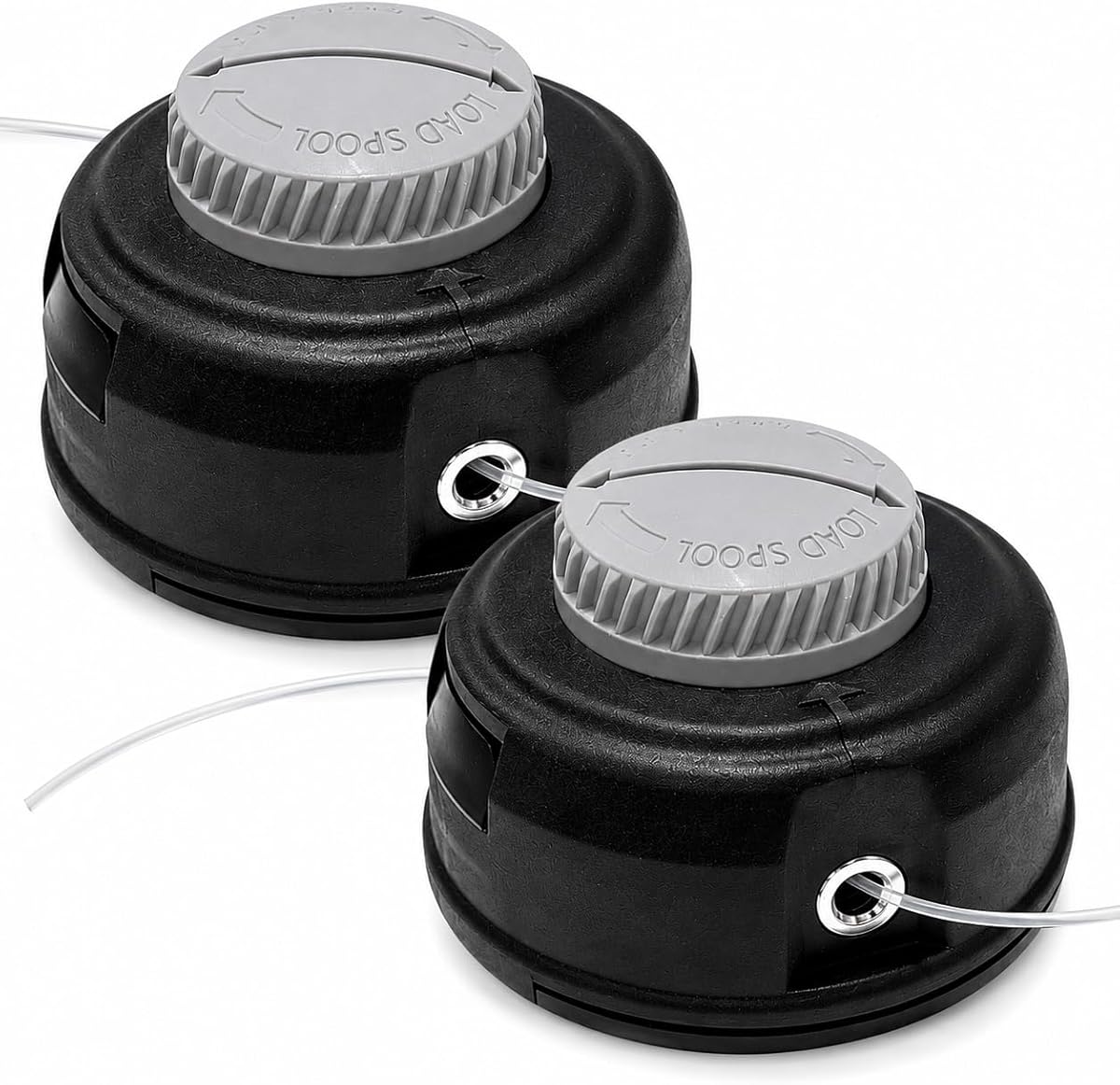
The most common DIY maintenance jobs center on parts with clear service intervals or visible wear. On gasoline-powered outdoor equipment, that usually includes air filters, fuel filters, spark plugs, recoil starter ropes, primer bulbs, carburetor repair kits, mower blades, chainsaw chains, guide bars, and trimmer heads or line. These items directly affect starting, cutting performance, fuel delivery, and overall reliability.
For battery-powered outdoor tools and cordless jobsite equipment, owners commonly replace batteries, chargers, trigger switches, bump-feed heads, spool assemblies, chain-and-bar sets, and cutting blades or discs. These repairs are popular because they address obvious symptoms: reduced runtime, weak cutting, poor charging, or broken external components.
Belts, pulleys, wheels, and deck hardware are also frequent replacement items on walk-behind mowers and riders. Landscapers and property owners often keep these parts on hand because they know a small failure can idle a machine during peak season. The same thinking applies to pressure washer hoses, spray tips, and pump-related maintenance items. If a part sees friction, heat, vibration, impact, or repeated exposure to dirt and moisture, it is a likely DIY replacement candidate.
Why correct part matching matters more than ever
The success of at-home maintenance depends less on mechanical skill than on compatibility. A spark plug with the wrong heat range, an air filter that does not seal properly, a chain with the wrong pitch, or a battery that does not fit the platform will waste time and may create bigger problems. That is why well-matched replacement parts are the foundation of efficient DIY maintenance.
The most reliable way to match a part is by the full model number, type number, and, when applicable, serial range of the machine. This is especially important with equipment lines that look similar but use different spec parts across production years. A mower blade may share the same length as another model but use a different center hole. A chainsaw chain may appear close in size but still be wrong in pitch, gauge, or drive link count. A cordless battery may fit physically but not deliver the right communication or protection features for the tool.
When ordering consumables, it helps to compare critical dimensions and equipment specifications, not just appearance. For example:
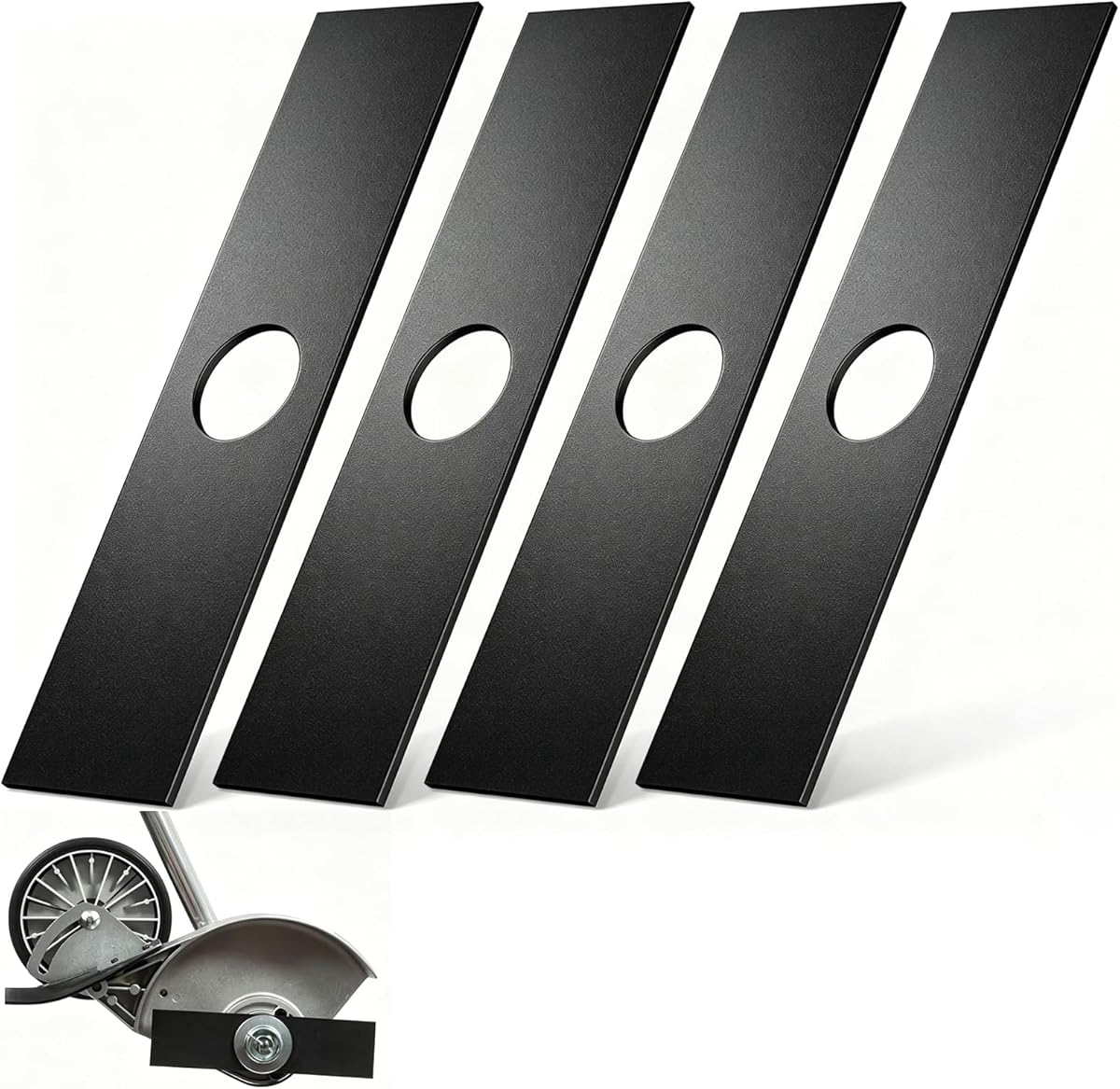
- Match mower blades by length, width, center hole shape, and rotation
- Match chains by pitch, gauge, and drive link count
- Match trimmer line by diameter and head compatibility
- Match batteries and chargers by brand platform and voltage family
- Match filters and tune-up parts by exact engine model
This is where dependable replacement parts make a real difference. A correctly matched part reduces installation problems, improves performance, and gives users confidence to handle future maintenance themselves.
Building a smarter at-home maintenance routine
The most effective DIY maintenance is planned, not reactive. Owners who get the most life from their equipment usually inspect wear parts before the season starts and replace items before they cause a breakdown. That means checking filters for dirt loading, blades for edge wear, chains for stretch, belts for cracking, and batteries for reduced runtime.
It also helps to stock the parts most likely to stop work. For homeowners, that may be an extra mower blade, spark plug, air filter, trimmer line refill, and chainsaw chain. For landscapers or regular tool users, it often means keeping backup batteries, chargers, spool assemblies, fuel line, deck belts, and common fasteners ready to go.
A good rule is simple: if a part is inexpensive, easy to replace, and likely to wear during normal use, it is worth treating as routine maintenance. That approach shortens downtime and makes equipment ownership more predictable. Instead of waiting for poor performance, users can restore cutting quality, starting reliability, and runtime on their own schedule.
FAQ
Is DIY equipment maintenance mainly about saving money?
Not entirely. Cost matters, but convenience and reduced downtime are often bigger reasons. Many owners would rather replace a common wear part immediately than lose time waiting for shop service.
What kinds of parts are best for at-home replacement?
Consumables and external wear items are the best starting point. Examples include filters, spark plugs, mower blades, chains, trimmer line, batteries, chargers, belts, and spool assemblies. These parts usually have clear wear symptoms and straightforward replacement steps.
How do I make sure I order the right part?
Use the equipment’s full model and type information whenever possible. Then confirm key specs such as dimensions, pitch, gauge, voltage platform, or hole pattern depending on the part category. Correct matching is what makes DIY maintenance efficient and reliable.
§ Catalog
Shop the catalog